

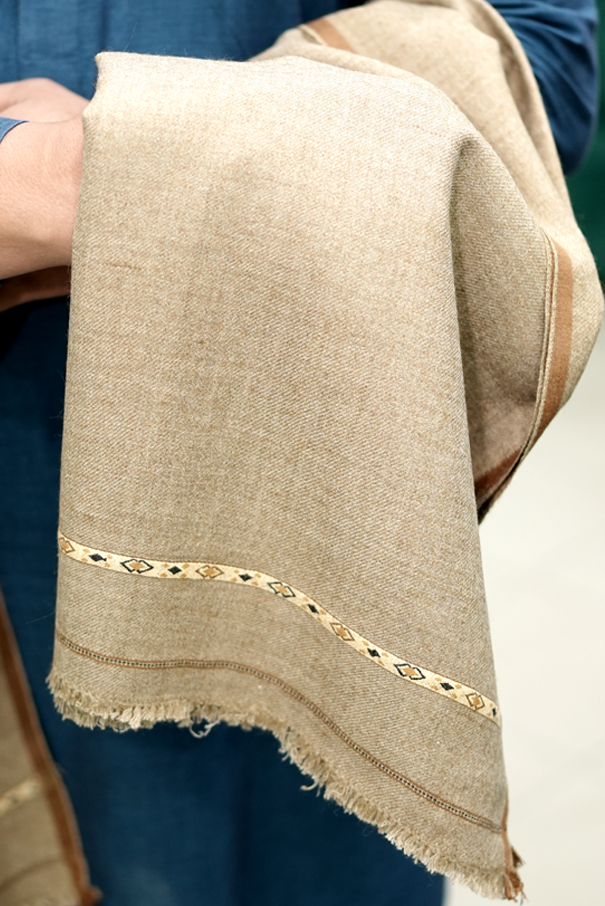
Throughout history, clothing has reflected culture, identity, and social status. Among the many garments that have stood the test of time, the Wool Shawl remains one of the most elegant and practical accessories for men. From ancient civilizations to contemporary fashion runways, shawls have evolved significantly while maintaining their cultural importance. Today, they are valued not only for warmth and comfort but also for their timeless appeal. The journey of men’s wool shawls reveals a fascinating story of craftsmanship, tradition, and modern style.
Ancient Origins of Men’s Shawls
The history of shawls dates back thousands of years when people used woven fabrics to protect themselves from harsh weather conditions. In many regions of Asia and the Middle East, shawls were essential garments worn by men of all social classes. These early shawls were handcrafted using natural fibers, particularly wool, which offered excellent insulation during cold seasons.
As trade routes expanded, the popularity of shawls spread across continents. Different cultures developed unique weaving techniques and patterns that reflected local traditions. Over time, the Wool Shawl became more than a functional piece of clothing; it transformed into a symbol of prestige and cultural identity.
The Rise of Kashmiri Craftsmanship
One of the most influential chapters in the history of men’s shawls emerged in the Kashmir region. Skilled artisans perfected the art of weaving luxurious shawls using fine wool obtained from mountain goats. These creations became highly sought after due to their softness, warmth, and intricate designs.
The reputation of Kashmiri Men Shawls grew rapidly among royal families and wealthy merchants. Their detailed embroidery and exceptional craftsmanship distinguished them from ordinary garments. As demand increased, Kashmiri Men Shawls became important exports that introduced the beauty of Kashmiri textile traditions to the world.
Shawls as Symbols of Status
During medieval times, shawls were often associated with nobility and authority. Rulers, scholars, and influential figures frequently wore finely crafted shawls during ceremonies and official gatherings. The quality of a shawl often reflected the wearer’s social standing.
In many societies, gifting a Wool Shawl was considered a gesture of respect and honor. Such gifts were exchanged during diplomatic meetings, weddings, and significant celebrations. This tradition strengthened the shawl’s reputation as a valuable and meaningful garment.
Expansion into European Fashion
The arrival of Eastern textiles in Europe during the seventeenth and eighteenth centuries introduced a new appreciation for handcrafted shawls. European aristocrats admired the artistry and quality of imported shawls, particularly those originating from Kashmir.
As fashion trends evolved, men began incorporating shawls into formal attire. Kashmiri Men Shawls became highly desirable among wealthy European consumers who viewed them as symbols of sophistication and luxury. Their popularity encouraged local manufacturers to imitate traditional designs, further spreading the influence of shawl culture.
The Industrial Revolution and Shawl Production
The Industrial Revolution brought significant changes to textile manufacturing. Mechanized weaving techniques allowed shawls to be produced more efficiently and at lower costs. While mass production increased accessibility, handmade shawls continued to be valued for their superior quality and artistic detail.
Despite technological advancements, traditional artisans preserved ancient weaving methods that had been passed down through generations. The enduring appeal of handcrafted Wool Shawl products demonstrated the continued appreciation for authenticity and craftsmanship.
Cultural Significance Across Generations
In many regions, shawls remained closely connected to family traditions and cultural heritage. Men often inherited shawls from their fathers and grandfathers, preserving memories and stories through generations. These treasured garments carried emotional significance beyond their practical use.
Kashmiri Men Shawls, in particular, became cherished heirlooms due to their durability and timeless beauty. Families regarded them as valuable possessions that represented both cultural pride and personal history.
The Influence of Modern Fashion Trends
The twentieth century introduced new approaches to menswear, leading to changing attitudes toward traditional garments. Designers began experimenting with classic shawl styles, combining historical elements with contemporary aesthetics. This fusion allowed shawls to remain relevant in modern fashion.
Today, the Wool Shawl is embraced by men seeking versatile accessories that complement both casual and formal outfits. Its ability to add elegance and warmth makes it a popular choice across different age groups and fashion preferences.
Contemporary Appeal of Men’s Shawls
Modern consumers appreciate clothing that balances functionality with style. Shawls fulfill this demand by offering comfort while enhancing personal appearance. Fashion designers frequently feature shawls in seasonal collections, demonstrating their adaptability to current trends.
Kashmiri Men Shawls continue to attract attention for their exceptional quality and craftsmanship. Their intricate patterns and luxurious textures appeal to individuals who value authentic handmade products. As awareness of traditional artisan work grows, these shawls are gaining renewed recognition in global markets.
Sustainability and Traditional Weaving
The growing focus on sustainable fashion has highlighted the importance of handmade textiles. Many consumers now prefer products crafted using environmentally responsible methods and natural materials. Traditional shawl weaving aligns with these values by emphasizing quality, longevity, and ethical craftsmanship.
A well-made Wool Shawl can last for many years, reducing the need for frequent replacements. This durability contributes to sustainable consumption while preserving traditional textile skills. Artisans who create Kashmiri Men Shawls continue to support local economies and maintain centuries-old cultural practices.
The Future of Men’s Shawls
As fashion continues to evolve, shawls are likely to remain an important part of men’s wardrobes. Their rich history, cultural significance, and practical benefits ensure lasting relevance. Designers are increasingly exploring innovative ways to incorporate traditional shawls into contemporary clothing styles.
Kashmiri Men Shawls represent a remarkable blend of heritage and modernity. Their continued popularity demonstrates how traditional craftsmanship can thrive in a rapidly changing world. At the same time, the Wool Shawl remains a symbol of comfort, sophistication, and enduring style.
FAQs
What makes Kashmiri Men Shawls unique?
Kashmiri Men Shawls are known for their exceptional craftsmanship, soft texture, intricate designs, and high-quality wool. These features make them highly valued around the world.
Why is a Wool Shawl popular among men?
A Wool Shawl provides warmth, comfort, and elegance. Its versatility allows it to complement both casual and formal clothing styles.
Are Kashmiri Men Shawls suitable for modern fashion?
Yes, Kashmiri Men Shawls blend traditional artistry with contemporary style, making them a fashionable choice for modern wardrobes.
How long can a quality Wool Shawl last?
With proper care, a high-quality Wool Shawl can last for many years and often becomes a treasured family heirloom.
Can shawls be worn during all seasons?
While shawls are especially popular during colder months, lightweight versions can also be worn during mild weather for style and comfort.
Conclusion
The history of men’s shawls is a remarkable journey from ancient traditions to contemporary fashion. These garments have served practical, cultural, and symbolic purposes for centuries while continually adapting to changing trends. The enduring popularity of Kashmiri Men Shawls and the timeless appeal of the Wool Shawl demonstrate the lasting value of quality craftsmanship and heritage. For those seeking elegance, comfort, and authentic style, collections from Dressifie offer inspiration rooted in tradition and designed for modern living.