

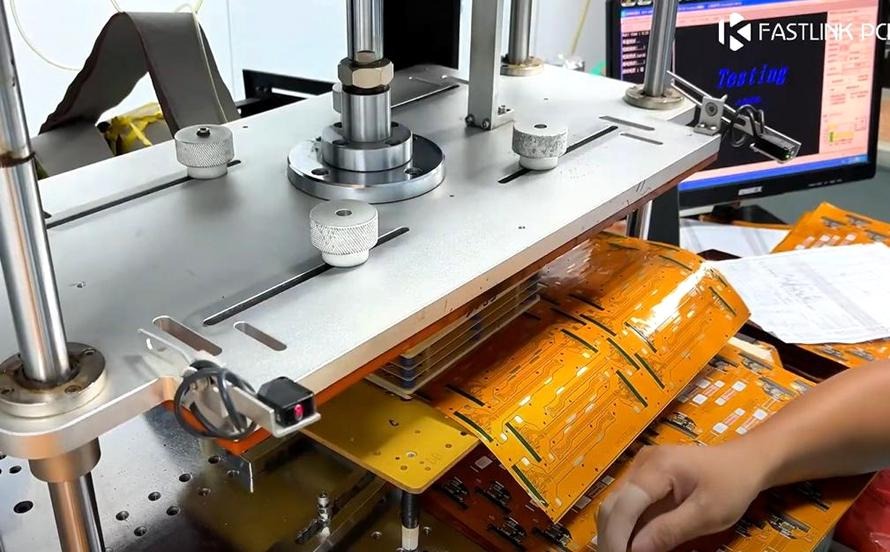
As electronic devices continue to become smaller, lighter, and more sophisticated, manufacturers are constantly searching for innovative solutions that improve performance while reducing space requirements. Traditional printed circuit boards often face limitations when products require complex shapes, compact designs, and high reliability. To overcome these challenges, many industries have adopted rigid flex PCB assembly as an advanced manufacturing solution that combines the benefits of both rigid and flexible circuit technologies.
Rigid-flex PCBs have become increasingly popular in applications where space optimization, durability, and design flexibility are critical. From aerospace and medical equipment to military systems, consumer electronics, and automotive devices, rigid-flex technology enables engineers to create compact electronic products without sacrificing performance or reliability. Understanding rigid flex PCB assembly is essential for businesses seeking advanced electronics manufacturing solutions in today’s competitive marketplace.
What Is Rigid Flex PCB Assembly?
Rigid flex PCB assembly is the process of mounting and soldering electronic components onto a printed circuit board that combines rigid and flexible substrate sections within a single integrated design. Unlike traditional PCBs that are entirely rigid or fully flexible, rigid-flex boards contain multiple rigid circuit areas connected by flexible circuitry.
The rigid sections provide mechanical stability and support for component placement, while the flexible sections allow the board to bend, fold, or fit into complex product geometries. During assembly, electronic components are typically mounted on the rigid portions of the board, while the flexible regions serve as interconnections between different circuit sections.
This unique design eliminates the need for multiple separate boards and wiring harnesses, resulting in a more compact and reliable electronic system.
How Rigid-Flex Technology Works
A rigid-flex PCB consists of multiple layers of conductive copper traces laminated onto both rigid and flexible substrate materials. The rigid areas are usually manufactured using conventional FR4 materials, while the flexible sections often utilize polyimide substrates that can withstand repeated bending and movement.
The flexible layers are integrated directly into the PCB structure during fabrication, creating a seamless electrical connection between rigid sections. This eliminates the need for connectors, cables, and other interconnection components that may introduce reliability concerns.
Once fabrication is complete, rigid flex PCB assembly processes are used to install components, create solder joints, and verify electrical functionality. The result is a highly integrated circuit solution that combines structural strength with exceptional design flexibility.
Advantages of Rigid Flex PCB Assembly
One of the primary reasons manufacturers choose rigid flex PCB assembly is the significant reduction in space requirements. By integrating multiple circuit sections into a single board, designers can eliminate bulky connectors and wiring assemblies that consume valuable product space.
Weight reduction is another important benefit. The elimination of additional cables and connectors helps reduce overall system weight, making rigid-flex technology particularly attractive for aerospace, medical, and portable electronic applications.
Reliability is also improved because fewer interconnections mean fewer potential points of failure. Traditional wire connections and mechanical connectors can become loose or damaged over time, especially in environments subject to vibration or movement. Rigid-flex designs reduce these risks by incorporating permanent integrated connections within the board structure.
The ability to bend and fold the circuit also provides greater design freedom, enabling engineers to create innovative product configurations that would be difficult to achieve using conventional PCB technologies.
Applications of Rigid Flex PCB Assembly
Rigid flex PCB assembly is widely used across industries that require compact, reliable, and high-performance electronic systems. In the aerospace industry, rigid-flex boards are commonly used in avionics, navigation systems, communication equipment, and satellite electronics where space and weight are critical considerations.
Medical devices also benefit significantly from rigid-flex technology. Diagnostic equipment, patient monitoring systems, wearable medical devices, and implantable electronics often require compact designs and high reliability. The flexibility of rigid-flex circuits allows manufacturers to create sophisticated medical products that fit within limited spaces.
Automotive manufacturers utilize rigid-flex assemblies in advanced driver assistance systems, infotainment units, sensors, and control modules. These applications demand durable electronics capable of withstanding vibration, temperature fluctuations, and harsh operating environments.
Consumer electronics such as smartphones, cameras, tablets, laptops, and wearable devices also frequently incorporate rigid-flex technology to achieve compact product designs.
The Rigid Flex PCB Assembly Process
The assembly process for rigid-flex boards shares many similarities with standard PCB assembly but includes additional considerations related to the board’s flexible characteristics.
The process begins with the application of solder paste to designated component pads. Automated stencil printing systems ensure accurate solder deposition while preventing excessive material application.
Next, pick-and-place machines position electronic components onto the rigid sections of the board. Modern assembly equipment provides the precision necessary for handling miniature components and high-density layouts.
The assembly then enters a reflow soldering process where carefully controlled temperature profiles melt the solder paste and create permanent electrical connections. Because flexible materials can react differently to heat than traditional rigid substrates, thermal management during assembly is especially important.
After soldering, inspection and testing procedures verify assembly quality and functional performance.
Design Considerations for Rigid Flex PCB Assembly
Successful rigid flex PCB assembly begins during the design stage. Engineers must consider both fabrication and assembly requirements when developing rigid-flex products.
Component placement should be restricted to rigid sections whenever possible because flexible areas are subject to bending and mechanical stress. Sensitive components located within flex regions may experience reliability issues over time.
Bend radius requirements are another important consideration. Flexible sections must be designed to withstand repeated movement without damaging copper traces or substrate materials. Improper bend designs can lead to cracking, delamination, or electrical failures.
Thermal management, layer stack-up configuration, and material selection also play critical roles in ensuring long-term product performance and manufacturability.
Close collaboration between design teams and manufacturing specialists helps optimize assembly outcomes.
Quality Control in Rigid Flex PCB Assembly
Quality assurance is particularly important in rigid flex PCB assembly due to the complexity of the board structure and the demanding applications in which these products are often used.
Manufacturers typically employ Automated Optical Inspection systems to verify component placement, solder joint quality, and assembly accuracy. X-ray inspection may be used for advanced semiconductor packages with hidden solder connections.
Electrical testing procedures confirm circuit continuity and functional performance. Additional mechanical testing may also be conducted to evaluate flexibility, durability, and resistance to environmental stresses.
Reliability testing often includes thermal cycling, vibration analysis, humidity exposure, and bend testing to ensure the assembly can withstand real-world operating conditions.
Comprehensive quality control measures help ensure that rigid-flex assemblies meet industry standards and customer requirements.
Challenges in Rigid Flex PCB Assembly
Although rigid flex PCB assembly offers many advantages, it also presents several manufacturing challenges. The combination of rigid and flexible materials requires specialized fabrication and assembly expertise.
Handling flexible sections during production can be more complex than working with traditional rigid boards. Improper support or excessive stress may damage the flexible circuitry before assembly is complete.
Material costs are generally higher compared to standard PCB technologies due to the specialized substrates and fabrication processes involved. Design complexity can also increase engineering and manufacturing requirements.
Despite these challenges, the performance benefits often outweigh the additional costs for applications where space, weight, and reliability are critical factors.
Future Trends in Rigid Flex PCB Assembly
The demand for rigid flex PCB assembly is expected to continue growing as electronic products become smaller and more advanced. Emerging technologies such as wearable devices, Internet of Things systems, medical implants, autonomous vehicles, and advanced aerospace platforms are driving increased adoption of rigid-flex designs.
Advancements in materials, manufacturing processes, and automation technologies are helping reduce production costs while improving reliability and design capabilities. Future developments may enable even more complex and compact electronic systems that leverage the unique advantages of rigid-flex technology.
As innovation continues across the electronics industry, rigid-flex assemblies will play an increasingly important role in supporting next-generation product designs.
Conclusion
Rigid flex PCB assembly combines the structural stability of rigid circuit boards with the versatility of flexible circuits, creating an advanced solution for compact and high-performance electronic products. By eliminating connectors, reducing weight, improving reliability, and enabling innovative product designs, rigid-flex technology has become a preferred choice in industries such as aerospace, medical devices, automotive electronics, telecommunications, and consumer products. Although manufacturing and design requirements are more complex than traditional PCB technologies, the benefits often justify the investment for demanding applications. Companies seeking advanced electronics manufacturing capabilities frequently partner with an experienced rigid flex PCB assembly service provider to achieve superior quality, reliable performance, and efficient production for complex electronic systems.