

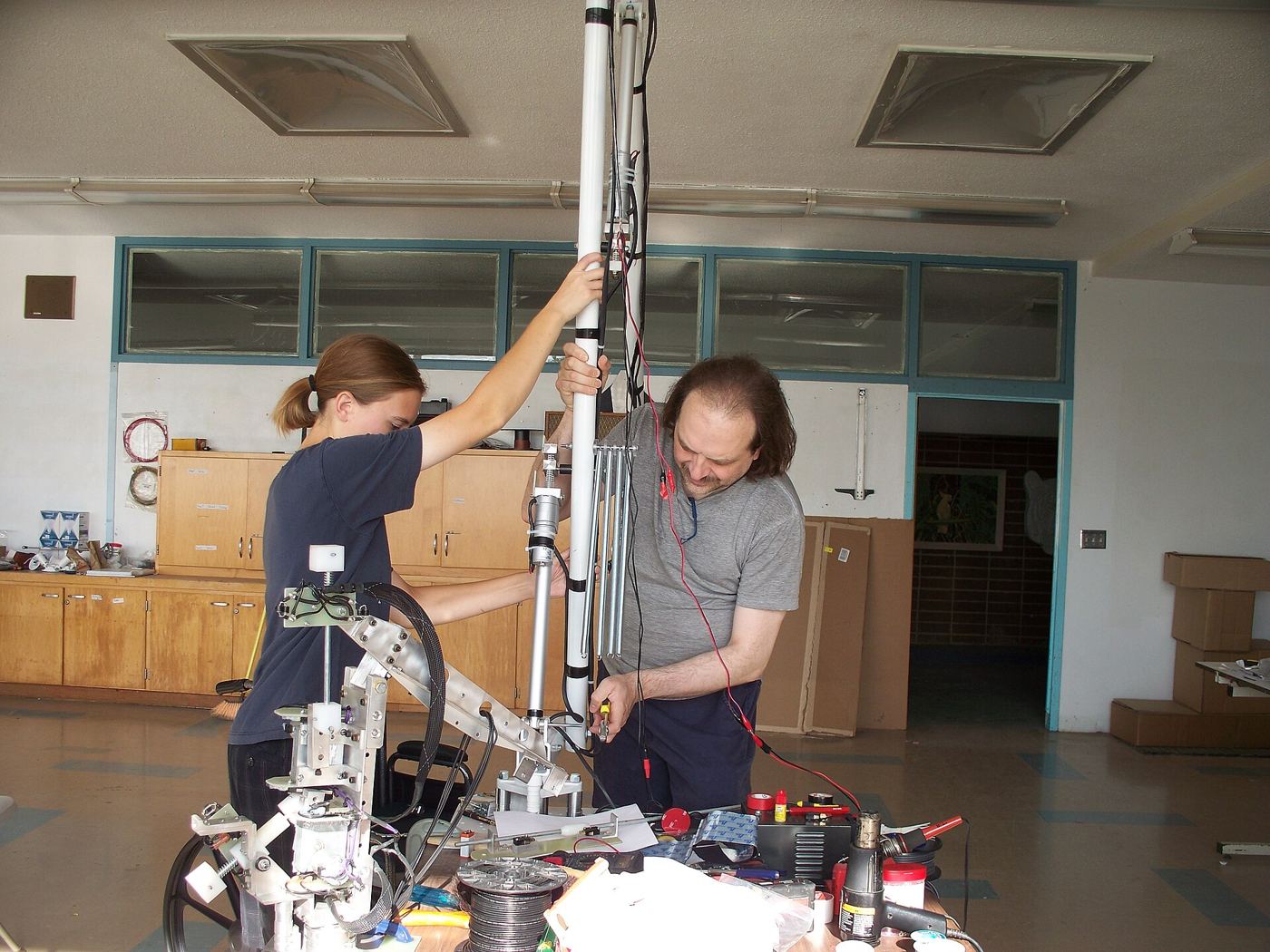
Google DeepMind has announced Gemini Robotics 2.5, its most capable vision-language-action model for robots, on 10 November 2026. The system lets a robot understand spoken instructions, look at its surroundings and then carry out physical tasks such as picking up objects and placing them where they belong. Vision-language-action models combine a language model with cameras and motors, so the robot can reason about what it sees before it moves. DeepMind describes Gemini Robotics 2.5 as its strongest version yet, with better handling of new objects and unfamiliar rooms. The company also released an open-source safety benchmark called ASIMOV-Jailbreak, designed to test whether a robot can be tricked into doing something unsafe through cleverly worded instructions. The company says the model can handle objects it has never seen before, a skill that matters in homes where no two rooms look alike.
What the Evidence Shows
The release matters because robots that work in homes, warehouses and hospitals must cope with messy, unpredictable places rather than the tidy factory floors of older machines. A robot that can understand a request like clearing a table needs to recognise each object, decide the order to move them, and adapt when something slips. DeepMind says the new model is more reliable at that kind of general task, and the safety benchmark is meant to give researchers a shared way to measure the risk of prompt attacks on physical robots. The work follows a busy year for robotics, with several labs racing to put language models into robot bodies. The next challenge is proving that these systems are safe and dependable enough to leave a laboratory and work beside people every day. Reporting and analysis from sources such as Wired track the same developments, and specialists following the Gemini Robotics 2.5 model say the direction is now consistent across independent lines of evidence.
The Wider Context
The wider context is an industry learning to ship capability and restraint together. Products built around the Gemini Robotics 2.5 model now launch with safety evaluations, usage data and rollback plans as standard, because enterprise buyers and regulators ask for them in the first meeting. Companies that treated those questions as friction are discovering they have become the purchase criteria.
What Happens Next
What happens next for the Gemini Robotics 2.5 model depends less on another breakthrough than on the unglamorous work of reliability, pricing and support. The buyers evaluating it now are not enthusiasts; they are operators with budgets and auditors, and their checklists will decide the timeline. On the evidence of the current pilots, the technology has earned the right to be judged by them. You can follow related developments in our coverage of technology.
None of this will be settled by a single announcement, study or product launch. The pattern to watch is accumulation: independent confirmations, honest reporting of failures and steady improvement in the underlying numbers. Readers who follow those signals, rather than the loudest claim of the week, will understand this subject better than most of the commentary surrounding it suggests is possible.
