

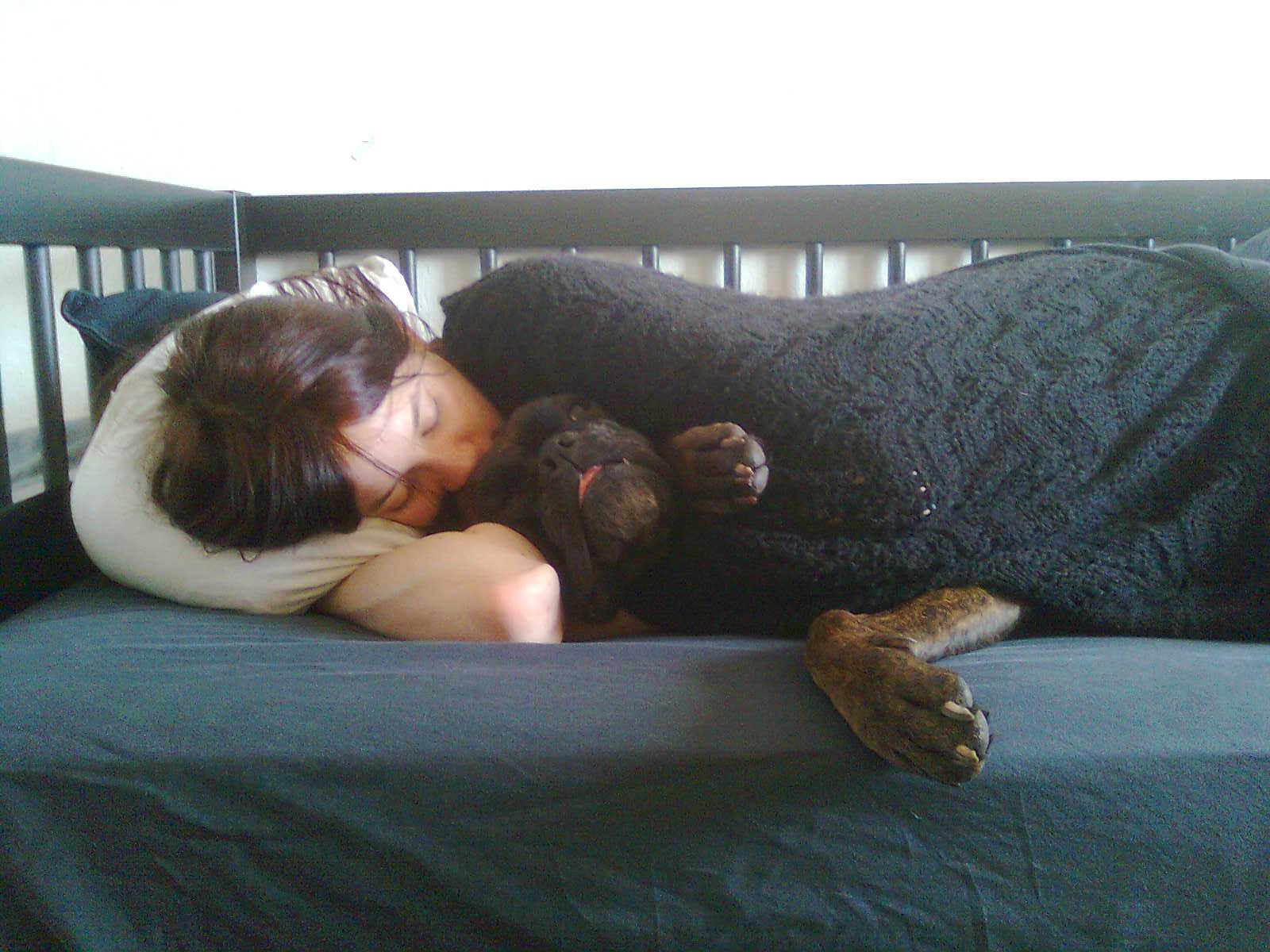
Sleep changes across a lifetime, and one of the most consistent findings in sleep research is that deep sleep, the slow-wave stage associated with physical restoration, becomes lighter and shorter as we age. Older adults wake more often, spend less time in the deepest stage and may feel that sleep no longer refreshes them as it once did. That matters, because deep sleep is not idle time. It is when the body and brain carry out essential maintenance.
During deep sleep, the brain consolidates memories, moving important information from short-term storage towards longer-term keeping. The body releases hormones involved in tissue repair, supports immune function and regulates appetite and blood sugar. Guidance collected by the World Health Organization consistently links healthy ageing with good sleep, and researchers increasingly treat sleep quality as a pillar of later-life health alongside movement, diet and social connection, a theme we return to often on our homepage.
What Happens to Sleep Architecture With Age
Sleep is organised in cycles, moving between light sleep, deep sleep and dreaming sleep. With age, the cycles still turn, but deep sleep occupies a smaller share of the night, especially in the second half. Medical conditions, pain, medication and more frequent trips to the bathroom can fragment the night further. The result is a pattern many older people describe well: plenty of hours in bed, yet a feeling of having only skimmed the surface of sleep.
Scientists are particularly interested in deep sleep’s role in clearing metabolic waste from the brain. Studies covered by Nature and other journals suggest that this nightly housekeeping may help explain links between chronically poor sleep and cognitive decline. The evidence does not mean that one bad night causes harm, and it should not cause alarm. Rather, it strengthens the case for treating persistent sleep problems in later life as a health issue worth attention, not an inconvenience to endure.
Habits That Protect Deep Sleep
The most effective supports are unglamorous. A regular wake time anchors the body clock more powerfully than an early bedtime. Morning daylight, ideally combined with a walk, strengthens the signal that day is for alertness and night is for sleep. Exercise helps too, though vigorous activity close to bedtime suits some people less well. Keeping the bedroom cool, dark and quiet, and reserving the bed mainly for sleep, all reinforce the association between bed and rest.
What we consume matters as well. Caffeine can linger for many hours, and alcohol, while it may shorten the time taken to fall asleep, tends to fragment the night and reduce sleep quality. Large late meals, long daytime naps and bright screens in the final hour can also work against deep sleep. Small changes, made consistently, usually help more than any single gadget, although sleep trackers can be useful for spotting patterns over weeks rather than judging single nights.
When to Seek Help
Some sleep problems need professional assessment. Loud snoring with pauses in breathing may indicate sleep apnoea, a treatable condition linked to heart and memory problems. Restless legs, persistent insomnia and unusual movements during sleep also deserve a conversation with a doctor, particularly when daytime sleepiness affects driving or daily life. Effective treatments exist, from breathing devices to structured talking therapies for insomnia, and seeking help is a practical step rather than an admission of defeat.
That balance, between moving quickly and taking care, is likely to shape how the story develops in the months ahead. It is also what separates lasting change from a brief fashion: the ideas that survive are the ones that keep proving useful in ordinary practice, long after the first headlines have faded and the novelty has worn off for everyone involved in the work.
Deep sleep may become more elusive with age, but it does not disappear, and the habits that protect it also protect much else besides: balance, mood, memory and independence. Treating sleep as a foundation of healthy ageing, rather than a leftover at the end of the day, is one of the simplest shifts older adults can make. The night, it turns out, is when much of the next day’s health is quietly decided.
