

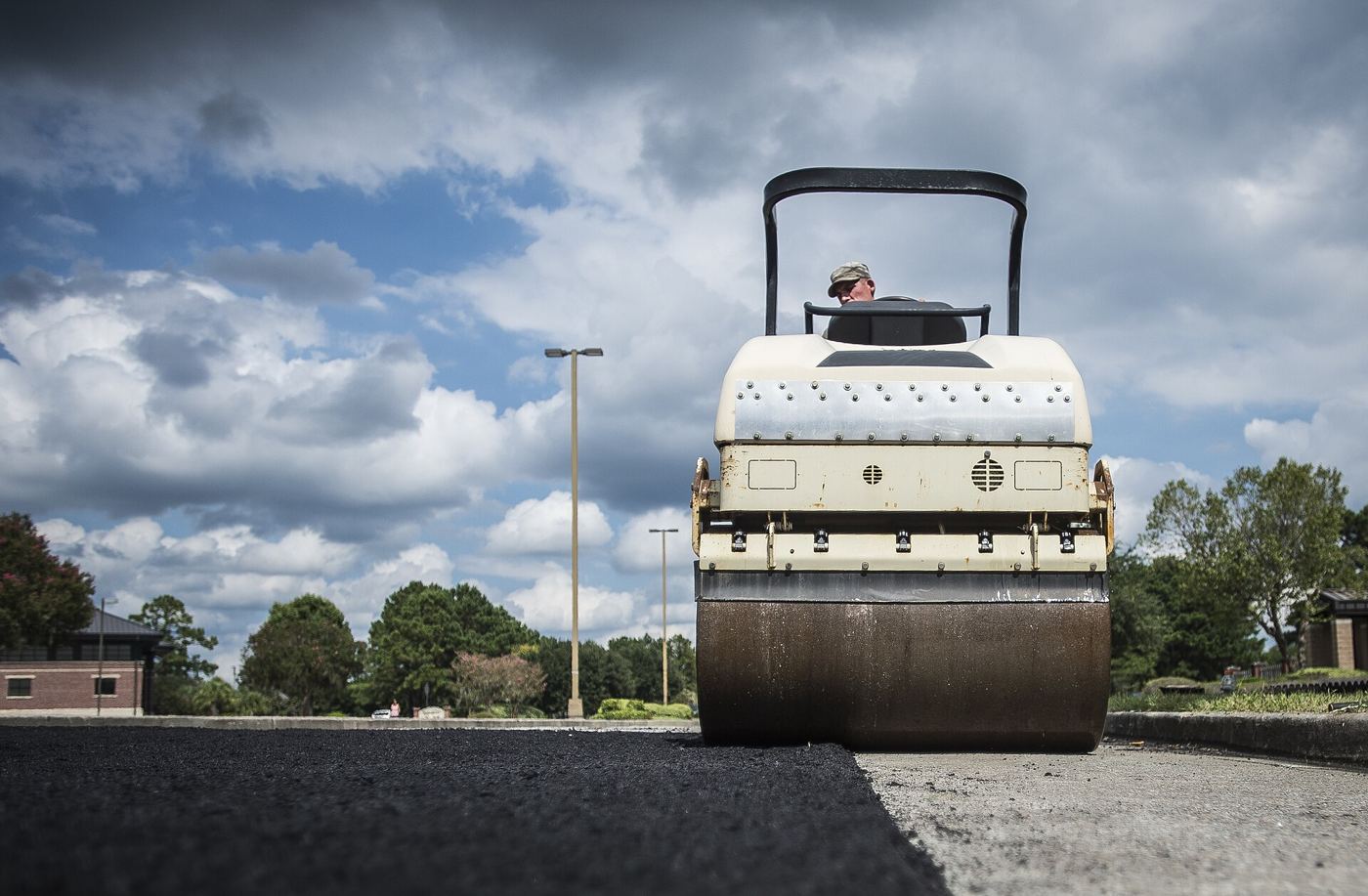
Ordinary asphalt absorbs heat from the sun and radiates it back through the day and night, making roads one of the hottest surfaces in a city. Materials scientists are now testing cool pavements, which use lighter-coloured aggregates, reflective coatings and more porous mixes to keep road surfaces several degrees cooler than conventional asphalt. Trials on city streets show the cooler surfaces reduce the temperature of the air just above the road, which matters for pedestrians, cyclists and anyone waiting at a bus stop. The materials also promise longer road life, since extreme heat softens asphalt and accelerates the cracking and rutting that leads to potholes. City engineers say the technology is still being refined, with questions about cost, durability and how the coatings perform under heavy traffic, but the early results have been encouraging enough for several cities to expand their trials. The trials are part of a wider effort by cities to cope with hotter summers, as heatwaves become more frequent and longer lasting.
What the Evidence Shows
The main obstacle is price, since cool pavement materials cost more than standard asphalt and city road budgets are already stretched. Engineers are targeting the most heat-exposed streets first, such as those in dense neighbourhoods with little shade, where the cooling benefit is greatest. Researchers are also studying whether cooler roads reduce the need for air conditioning in nearby buildings, which would add to the savings. Maintenance crews need new training, since the coatings must be applied correctly and repaired differently from ordinary surfaces. Despite the challenges, specialists say cool pavements are a practical piece of the wider effort to make cities livable in hotter summers, alongside trees, shade and better building design. For the workers laying the new surfaces, the difference is immediate: the road under their feet is noticeably cooler to stand on. The trials are being watched by cities in hotter climates, where cooler roads could also protect the health of outdoor workers who spend long hours on the asphalt. Reporting and analysis from sources such as NASA track the same developments, and specialists following the cool pavement road surface say the direction is now consistent across independent lines of evidence.
The Wider Context
Funding bodies are watching the cool pavement road surface closely because the work sits at the junction of basic curiosity and practical return. Grant panels increasingly ask for a path from discovery to application, while researchers push back that the most valuable uses of fundamental science are rarely the ones written into the original proposal. The tension is productive when both sides stay honest about timescales.
What Happens Next
The long view on the cool pavement road surface is that fields advance by accumulation rather than by single announcements. This result adds a solid, checkable piece to a structure many teams are building, and its authors have shared their data so the piece can be tested from every side. That is how the picture eventually becomes reliable enough to act on. You can follow related developments in our coverage of science.
It is also worth remembering how quickly the picture in this area has changed before. Positions that looked settled a few years ago have been revised as new data arrived, and the same humility is appropriate now. The strongest coverage of this subject, and the most useful advice, tends to come from sources that update their views openly when the facts move, rather than defending an earlier position long after it has stopped fitting the evidence available.
