

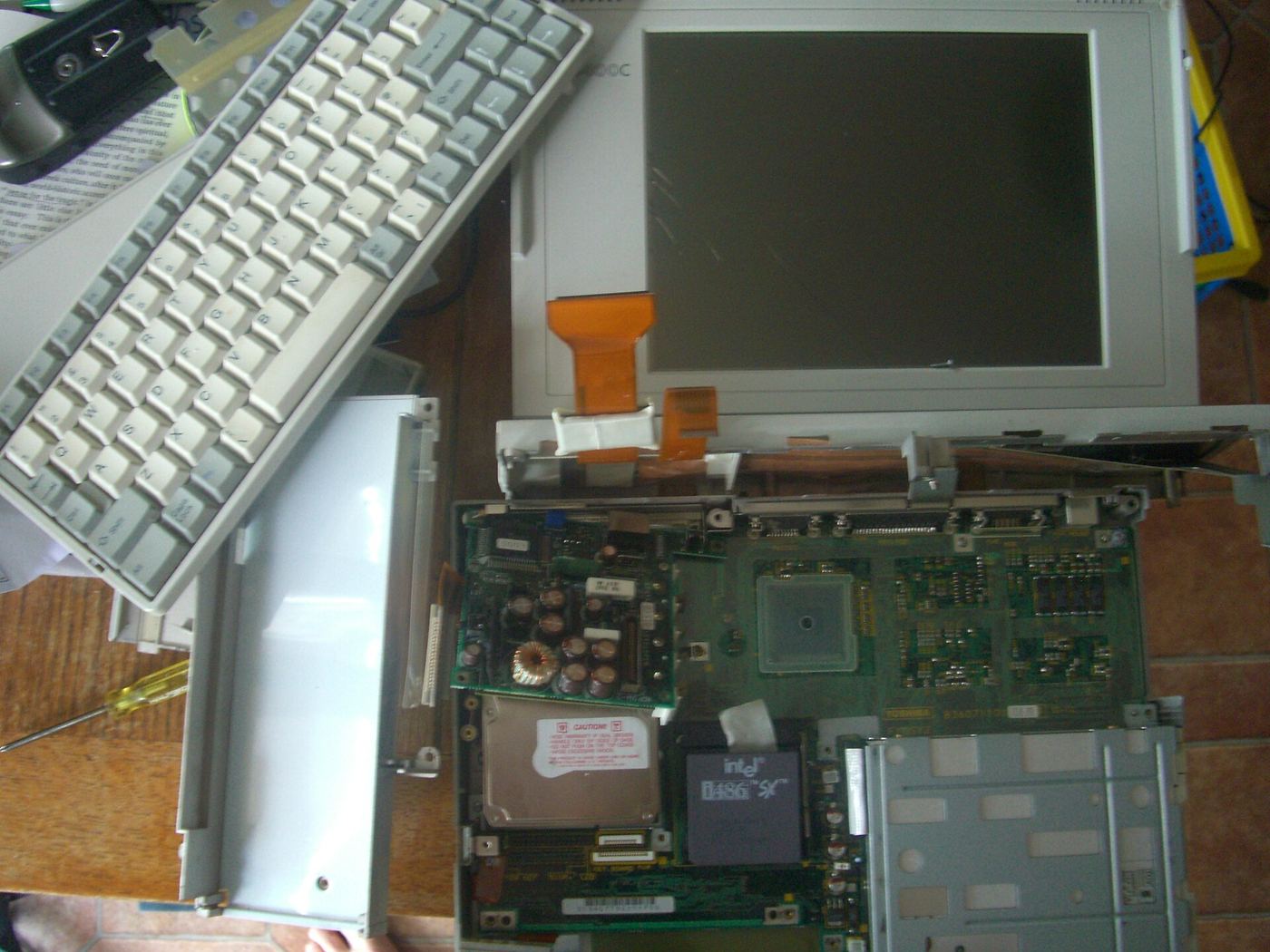
Intel’s newest laptop chips have moved from announcement into real machines, and the first reports suggest the company has closed much of the gap with its rivals. The Core Ultra Series 3 processors, codenamed Panther Lake, were unveiled on 9 November 2026, and laptop makers showed the first machines built on them the same week, with Acer refreshing its Swift AI, Predator and Nitro lines. The chips are the first Intel laptop processors built on the company’s 18A manufacturing process, and the top 16-core models pair four performance cores with eight efficiency cores and four low-power cores. Integrated Arc B390 graphics with 12 Xe3 cores promise far stronger gaming and AI performance without a separate graphics chip, with platform AI performance reaching 180 TOPS on some boards.
What the Evidence Shows
For buyers, the practical change is a thin Windows laptop that can play modern games and run on-device AI tools without the heat and battery penalty of a discrete graphics chip. Early coverage highlights the Arc B390 graphics, which Intel says delivers up to 77 percent faster gaming than AMD’s Radeon 890M, and the chips support up to 128 GB of fast DDR5 memory. Manufacturers are also building the chips into handhelds and industrial computers, including GPD’s Win Mini Ultra, published on 19 November 2026. The launch matters because Intel’s laptop business has been under pressure from Qualcomm’s Snapdragon X chips and Apple’s M-series, and Panther Lake is the company’s clearest answer yet. Prices for the first laptops are emerging, so buyers should check the exact chip model before ordering. Reporting and analysis from sources such as Wired track the same developments, and specialists following Intel’s Panther Lake laptop chips say the direction is now consistent across independent lines of evidence.
The Wider Context
The wider context is an industry learning to ship capability and restraint together. Products built around Intel’s Panther Lake laptop chips now launch with safety evaluations, usage data and rollback plans as standard, because enterprise buyers and regulators ask for them in the first meeting. Companies that treated those questions as friction are discovering they have become the purchase criteria.
What Happens Next
What happens next for Intel’s Panther Lake laptop chips depends less on another breakthrough than on the unglamorous work of reliability, pricing and support. The buyers evaluating it now are not enthusiasts; they are operators with budgets and auditors, and their checklists will decide the timeline. On the evidence of the current pilots, the technology has earned the right to be judged by them. You can follow related developments in our coverage of technology.
None of this will be settled by a single announcement, study or product launch. The pattern to watch is accumulation: independent confirmations, honest reporting of failures and steady improvement in the underlying numbers. Readers who follow those signals, rather than the loudest claim of the week, will understand this subject better than most of the commentary surrounding it suggests is possible.
