

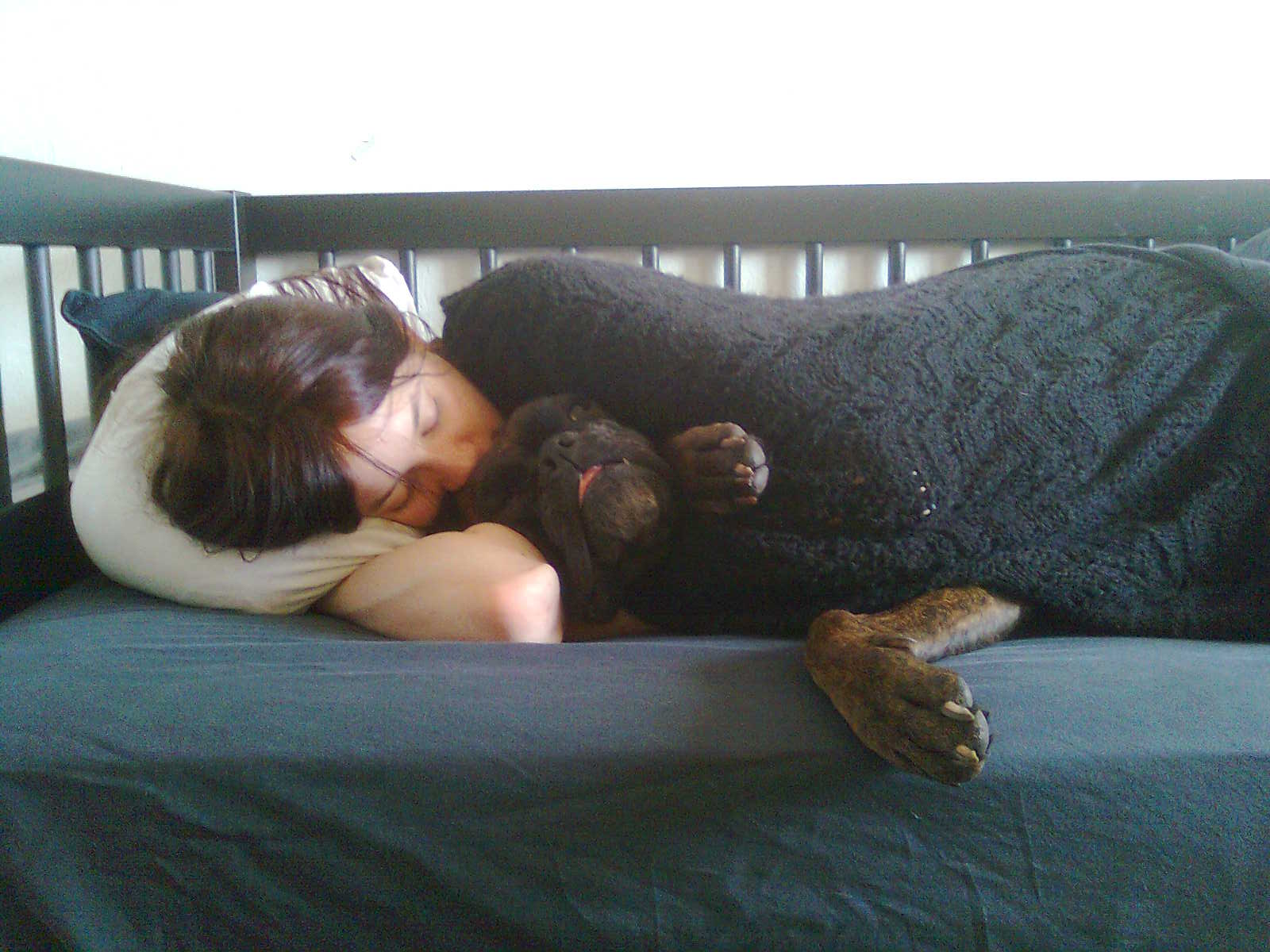
Inside almost every cell of your body, a clock is ticking. Circadian rhythms, the roughly twenty-four-hour cycles synchronised mainly by light, orchestrate when hormones rise and fall, when body temperature dips, when the liver expects food and when the brain is primed for deep sleep. Modern life treats those rhythms as optional. We eat at midnight, work under bright light at 3 a.m., fly across time zones for a weekend and scroll glowing screens in bed. The research summarised by the National Institutes of Health suggests the body keeps score, and occupational-health work at the World Health Organization links long-term night-shift patterns to elevated risks of several chronic diseases.
More health reporting is available from our homepage.
Light is the master switch
The clock’s conductor sits in the brain, just above where the optic nerves cross, and it takes its cue from light entering the eyes, especially the bright, blue-rich light of morning. That single signal aligns the whole orchestra: cortisol rises to mobilise the day, melatonin climbs in darkness to open the gates of sleep, and peripheral clocks in the gut, liver and muscles follow. Dim indoor days and bright artificial evenings blur the signal at both ends, which is why a walk outside in the morning is one of the most consistently supported pieces of sleep advice researchers give. It costs nothing, and it anchors everything else.
Timing of food comes next. Eating tells the liver and gut clocks that daytime has arrived, so consistently late meals can pull internal organs out of step with the brain’s clock, a state called internal misalignment. Studies of time-restricted eating show mixed but intriguing results, probably because regularity itself does much of the work. Our health section notes that shift workers, who cannot simply choose daylight living, benefit most from deliberate strategies: consistent sleep windows even on days off where possible, bright light early in a shift, sunglasses on the morning commute home, and meals kept to a predictable pattern.
Chronotypes and honest differences
Not everyone keeps the same natural hours. Genetics nudges people toward lark or owl tendencies, and age moves the dial: teenagers are wired late, which is why early school starts fight biology, while older adults tend to wake progressively earlier. Fighting your chronotype entirely is unrealistic for most jobs and families, but small negotiations help. Owls who cannot change work hours can still protect a dark, cool bedroom and a consistent wake time; larks can stop scheduling demanding social events at the hour their brains begin shutting down. The aim is alignment where life permits, not a monastic regime.
Medicine learns to tell the time
Researchers are now testing clock-aware medicine, from timing blood-pressure drugs and chemotherapy to scheduling surgery, with some promising early results. The deeper lesson is already usable. Sleep is not merely rest, and light is not merely vision. They are instructions to a timing system that runs your biology, and giving that system a clear, regular signal may be among the cheapest long-term health investments available to anyone.
The built environment is slowly catching up with the biology. Lighting designers now specify systems that are bright and blue-enriched in the morning and warm and dim by evening, in offices, hospitals and care homes where residents may not see daylight for days. Hospital patients, whose sleep is fragmented by noise, checks and constant artificial light, recover in wards that increasingly treat darkness at night as part of the treatment rather than an inconvenience to staff. Schools in several countries are experimenting with later start times for teenagers, and report the unglamorous metrics that persuade administrators: fewer late arrivals, better attendance and improved examination results. None of these changes requires a prescription or a purchase. They simply stop designing daily life as if the body clock did not exist, which, for most of human history, it never had to be explained at all.
