

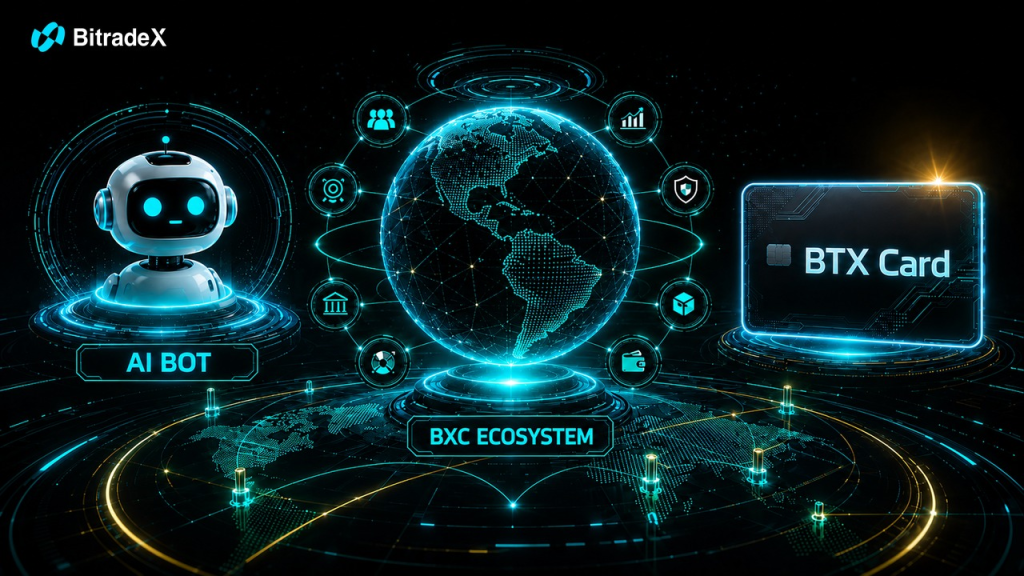
Crypto is no longer only about buying and selling tokens. As digital assets become a larger part of personal and institutional portfolios, users need a better way to organize, monitor, and manage their holdings. This is where crypto asset management becomes important.
Crypto asset management is the process of managing digital assets with structure. It includes asset selection, portfolio allocation, trading activity, risk awareness, performance review, and the use of tools that help investors make more informed decisions.
For many users, the challenge is not simply entering the crypto market. The bigger challenge is managing what happens after they enter.
A user may hold Bitcoin, Ethereum, stablecoins, altcoins, trading positions, and automated strategies at the same time. Without a clear system, the portfolio can become difficult to understand. Crypto asset management helps turn scattered decisions into a more organized digital asset workflow.
The New Problem: Digital Assets Are Easy to Access but Hard to Manage
Access to crypto has become much easier. Users can create accounts, buy assets, trade pairs, and explore digital asset products within minutes. But easier access also creates a new problem: users often collect assets faster than they can manage them.
A portfolio may grow across different assets, strategies, and timeframes. Some holdings may be long-term positions. Some may be short-term trades. Some may be connected to AI-powered tools or automated strategies. Some may sit idle without a clear role.
When this happens, the user may no longer have a complete view of the portfolio.
Crypto asset management solves this by focusing on structure. It asks a simple but important question:
How should digital assets be organized, monitored, and adjusted over time?
The Crypto Asset Management Stack
A useful way to understand crypto asset management is to think of it as a stack. Each layer supports a different part of the digital asset workflow.
| Layer | Purpose | Key Question |
| Asset Inventory | Know what you hold | What digital assets are in the portfolio? |
| Allocation | Define portfolio balance | How much exposure belongs to each asset or strategy? |
| Market Access | Trade and adjust positions | Where and how are assets managed? |
| Risk Awareness | Control downside exposure | Is the portfolio becoming too concentrated or aggressive? |
| Automation | Improve efficiency | Can tools reduce manual work? |
| Review | Measure and improve | Is the strategy still working? |
When these layers work together, crypto asset management becomes more than tracking balances. It becomes a complete operating system for digital assets.
Layer 1: Asset Inventory
The first layer of crypto asset management is knowing exactly what is in the portfolio.
This sounds simple, but many users do not have a clear view of their holdings. They may own major coins, stablecoins, smaller tokens, and trading positions without fully understanding how everything fits together.
An asset inventory should answer:
Which assets are currently held?
Why is each asset in the portfolio?
Is the asset for long-term holding, trading, income, or experimentation?
Does the user still understand the reason for holding it?
Is any asset no longer aligned with the strategy?
This step helps users avoid holding assets simply because they once bought them. Every asset should have a role.
Layer 2: Allocation and Portfolio Balance
After identifying the assets, the next step is allocation.
Allocation means deciding how much of the portfolio should be assigned to different assets, strategies, or risk levels. In crypto, allocation is especially important because price movements can quickly change portfolio balance.
For example, one asset may rise sharply and become a much larger part of the portfolio than expected. Another may fall and reduce the portfolio’s balance. Without regular review, the portfolio may drift away from the original plan.
Crypto asset management helps users monitor this balance and make more thoughtful decisions.
A simple allocation structure may include:
Core digital assets
Stablecoin reserves
Selected altcoin exposure
Automated trading strategies
Short-term opportunity allocation
Long-term portfolio holdings
The exact structure depends on the user’s goals. The important point is that allocation should be intentional.
Layer 3: Market Access and Execution
Crypto asset management also requires reliable market access. Users need a way to buy, sell, adjust, or rebalance digital assets when needed.
This is where a crypto trading or investment platform becomes part of the asset management workflow. The platform should not only allow transactions. It should help users manage activity with clarity.
A strong platform experience can support:
Trading access
Market data
Portfolio visibility
Strategy tools
AI-powered analysis
Automation features
Risk-related settings
Performance review
Platforms such as BitradeX fit into this part of the crypto asset management stack. BitradeX combines crypto trading access, AI-powered tools, and digital asset management features, making it relevant for users who want a more organized way to manage market participation.
The value is not just in placing trades. The value is in connecting trading, analysis, automation, and portfolio workflows.
Layer 4: Risk Awareness
Crypto asset management cannot ignore risk. Digital asset markets can move quickly, and portfolio exposure can change without much warning.
Risk awareness does not mean avoiding crypto completely. It means understanding how much exposure exists and whether that exposure still matches the user’s goals.
Useful risk questions include:
Is the portfolio too concentrated in one asset?
Are short-term trades affecting long-term holdings?
Is leverage being used carefully?
Is too much capital tied to one strategy?
Are automated tools being reviewed regularly?
Does the user understand current exposure?
A crypto asset management system should make these questions easier to answer.
Risk awareness is especially important when users combine manual trading, AI tools, and automated strategies. More tools can create more efficiency, but they also require clearer oversight.
Layer 5: AI and Automation
AI is becoming more important in crypto asset management because digital asset markets generate large amounts of data. Prices, trading volume, volatility, liquidity, sentiment, and market trends can all affect portfolio decisions.
AI-powered tools can help users analyze market conditions, monitor signals, support automated strategies, and review portfolio performance more efficiently.
Automation can also reduce repetitive work. For example, automated tools may support strategy execution, market monitoring, alerts, or portfolio workflows.
The best use of AI in crypto asset management is not to replace the user. It is to help the user make better use of information.
AI can support:
Market analysis
Trading signal monitoring
Portfolio review
Strategy execution
Risk alerts
Asset comparison
Performance tracking
BitradeX can be naturally positioned here because its AiBot and AI-driven tools support a more structured approach to digital asset activity. For users interested in AI crypto asset management, this type of platform can help connect automated trading support with broader portfolio workflows.
Layer 6: Review and Adjustment
Crypto asset management is not complete without review.
A portfolio that made sense three months ago may no longer match current market conditions or user goals. Some assets may have changed in performance. Some strategies may need adjustment. Some exposure may need to be reduced or rebalanced.
A review process helps users stay in control.
A simple review may include:
Checking total portfolio value
Reviewing asset allocation
Comparing performance by asset or strategy
Evaluating AI or automated tools
Identifying concentration risk
Adjusting exposure when needed
Documenting major decisions
The review process does not need to be complicated. It simply needs to happen consistently.
Crypto Asset Management vs. Simple Crypto Trading
Crypto trading and crypto asset management are related, but they are not the same.
Crypto trading focuses on entering and exiting market positions. Crypto asset management focuses on how all digital asset activity fits together over time.
Trading answers the question:
What should I buy or sell?
Asset management answers a broader question:
How should my digital assets be organized, monitored, and managed as a portfolio?
This distinction matters because a user can be active in trading but still lack a clear asset management process. Without portfolio visibility and review, trading decisions may become disconnected from long-term goals.
A more mature approach connects both. Trading becomes part of the asset management system, not a separate activity.
Who Needs Crypto Asset Management?
Crypto asset management is useful for different types of users.
A beginner may need it to avoid collecting random assets without a plan.
An active trader may need it to understand how frequent trades affect portfolio exposure.
A long-term investor may need it to review allocation and maintain discipline through market cycles.
A user exploring AI-powered tools may need it to connect automation with broader digital asset goals.
A mobile-first user may need it to monitor assets and make decisions more efficiently.
The common need is visibility. Users need to understand what they hold, why they hold it, and how each decision affects the full portfolio.
A Practical Crypto Asset Management Model
A simple model can help users manage digital assets more clearly.
1. Define the Portfolio Purpose
The user should decide whether the portfolio is focused on long-term growth, active trading, income opportunities, AI-supported strategies, or diversified digital asset exposure.
2. Group Assets by Role
Assets can be grouped into categories such as core holdings, trading assets, stablecoin reserves, and strategy-based positions.
3. Set Allocation Ranges
Instead of allowing the portfolio to drift randomly, users can define reasonable allocation ranges for each category.
4. Use Tools for Monitoring
A platform with market data, trading access, AI tools, and portfolio visibility can help users manage activity more efficiently.
5. Review on a Schedule
Regular review helps users adjust the portfolio when market conditions or personal goals change.
This model keeps crypto asset management simple but structured.
Where BitradeX Fits
BitradeX can be positioned as a platform for users who want to combine crypto trading access, AI-powered tools, and digital asset management workflows.
For users managing multiple assets or exploring automated strategies, BitradeX provides a more integrated environment than a purely manual approach. Its AI-driven features can support market analysis, automated trading activity, and portfolio-related decision-making.
This makes BitradeX relevant for users who want to treat crypto as a structured digital asset activity rather than isolated trades.
The strongest positioning is not that one platform solves every challenge. The stronger message is that BitradeX supports a more organized way to manage crypto assets with tools, automation, and AI-powered workflows.
Closing Perspective: From Holding Assets to Managing Assets
Crypto asset management represents a shift in how users approach digital assets.
The early version of crypto participation was often simple: buy an asset, wait, and react to market movement. The more mature version is different. Users now need structure, visibility, tools, review habits, and smarter workflows.
A strong crypto asset management approach helps users understand their holdings, manage allocation, use data, apply automation carefully, and review performance over time.
For users looking for a more connected way to manage digital asset activity, BitradeX offers a relevant example of how crypto platforms are evolving. By combining trading access, AI-powered tools, and portfolio workflows, BitradeX can support users who want a more structured approach to crypto asset management.
Digital assets will continue to move quickly. The users who manage them with clarity, discipline, and the right tools will be better prepared to navigate the market over time.