

Introduction
Charging issues are one of the most annoying problems that humans face with modern smartphones. Whether it’s a cell phone, tablet, or other electronics, a faulty charging port can prevent it from completing. In 2026, the tools are better, however, the fundamental problem with connection gaps still exists. Dust accumulation, fatigued connections, and liquid current flooding are common causes of those problems. Devices like USB Tester and Tail Plug Detector have become vital to diagnose problems quickly and as they may be, primarily for individuals deciding on handheld responses provoked by systems like diy restore device. Understanding how those device drawings and the way to restore charging ports can save time, money, and unnecessary stress. Many consumers fly out to get their appliances replaced knowing that the problem is usually minor and can be fixed. This guide explains how to catch, troubleshoot, and restore charging port issues using easy technology and modern tools while maintaining safe and powerful practices .
To understand the charging port problem
Charging ports are installed and torn down every day, making them one of the most sensitive elements in any device. Frequent plugging and unplugging over time can loosen internal pins or cause a buildup of debris. The USB tester helps with step voltage and current flow, making it less difficult to tell if the problem is within the port, cable, or power supply, and the Tail Plug Detector can identify unstable connections or broken plugs that aren’t visible to the naked eye. These gears are especially useful when the machine uses intermittently or only at positive angles. Most connectivity problems start small but expand worse to the left, which is why early detection is so important for the long-term popularity of the device.
Common Causes of Connectivity Problems
An uncommon cause of charging problems is dust or lint trapped inside the ports. Even small amounts of particles can keep you a perfect connection between the charger and the device. Another common problem is broken cables that look outstanding on the outside, yet fail on the inside. A USB tester can quickly confirm whether the cable provides consistent power. Loose ports are a different issue, especially on older devices where repeated use weakens internal shape. In some cases, moisture advancement can result in corrosion, making the connection unreliable. The use of a Tail Plug Detector in such situations facilitates the identification of the exact cause without unnecessary guessing or manipulation of the elements.
The tools you need for diagnosis
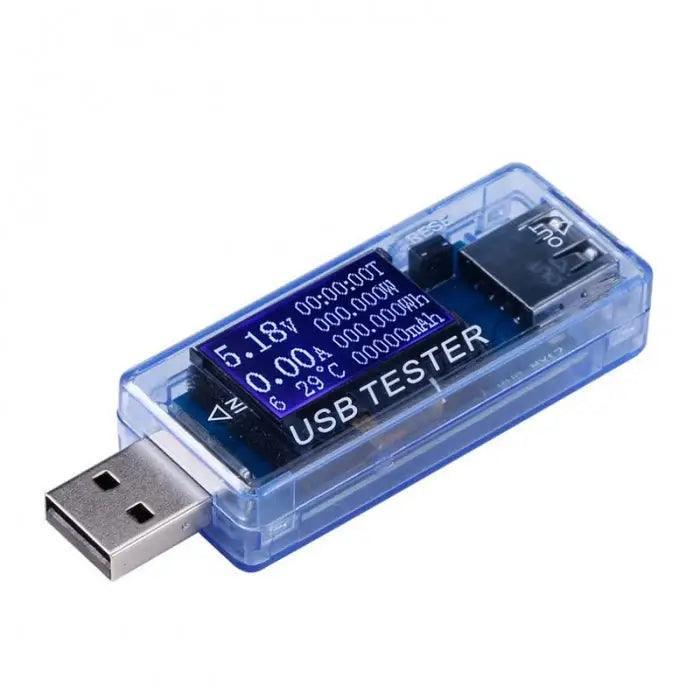
In 2026, diagnosing charging port problems with the right tools will be less difficult than ever. The USB Tester is a compact device that connects between the charger and the device, displaying real-time information about voltage, leading edge, and power float. This allows records to determine whether the disturbance is with the power source or with the device itself. A Tail Plug Detector enhances this by checking the physical connection and identifying unclosed or broken plugs. These tools are widely used by technicians and DIY enthusiasts. When mixed with basic cleaning supplies like a smooth brush or compressed air, they provide a complete answer to effectively identify and resolve charging problems .
Step by step removal procedure
Fixing the charging port starts with a thorough inspection. Turn off the device and start by testing and using the port under appropriate lights. If particles are visible, clean them lightly with a hospital tool to avoid damage. After cleaning, check if the power output is increased using a USB tester. If the interference persists, test the cable and adapter one at a time to rule out external problems. A Tail Plug Detector can then be used to ensure the plug fits properly and continues to make a strong connection. If the port is not working, it may require deeper repairs, such as ICarging Port Repair or possibly even USB-C Replacement, depending on the type of device, these steps should always be done carefully to avoid further damage.
Safety tips under review
Security is generally the first requirement when working with digital equipment. Avoid using sharp metal tools under the charging ports as they are capable of arguing faster circuit logic. Make sure the machine is turned off before attempting any maintenance. When faced in front of internal connectors it is miles necessary to maintain the correct solder temperature to touch overheating and avoid damage to components. Using reliable equipment like a USB Tester ensures that you do not expose your device to liquid electricity within the technique of checking out. Painting in a clean, dry environment is also a fantastic idea to reduce the risk of infection or moisture-related problems.
When to Seek Professional Help
While many domestic charging port problems can be solved, some require special statistics. If the harbor is physically damaged or completely dismantled, it can make it worse if we try to rebuild it with the right talent. In such cases, technicians use advanced tools along with USB Tester and Tail Plug Detector for separate diagnosis and treatment. Commercial offerings are especially for high-reduction machines, where the internal components are more sensitive. Knowing when to stop and try to find help is as important as understanding yourself how to solve the problem.
Preventing Future Charging Issues
Prevention is always better than recovery around charging ports. Using fancy cables and chargers leads to losses over the years. Avoid forcing the plug into the port, and plug and unplug easily. Regular cleaning can keep you from building up particles, which is one of the leading causes of connection problems. The USB Tester can also be used at any time to reveal the power flow and detect the early signs and symptoms of the problem. Additionally, it extends the life of the charging port by protecting the device away from moisture and extreme temperatures. These easy things may make a big difference in maintaining a trusting relationship.
Conclusions:
Problems with charging ports can also seem complicated, yet with the right expertise and equipment they can be largely cleared up for restoration. In 2026, this system is even more advanced, but the basis of communication and energy flow remains the same. Tools like USB Tester and Tail Plug Detector provide clear insight into what’s wrong and allow users to take appropriate steps in response. By following the root causes of safe practices and information, customers can keep their machines working easily for longer periods of time. Reliable sources and realistic controls, as observed on diyfixtool. Make it easy for everyone to handle those challenges with confidence and efficiency.