

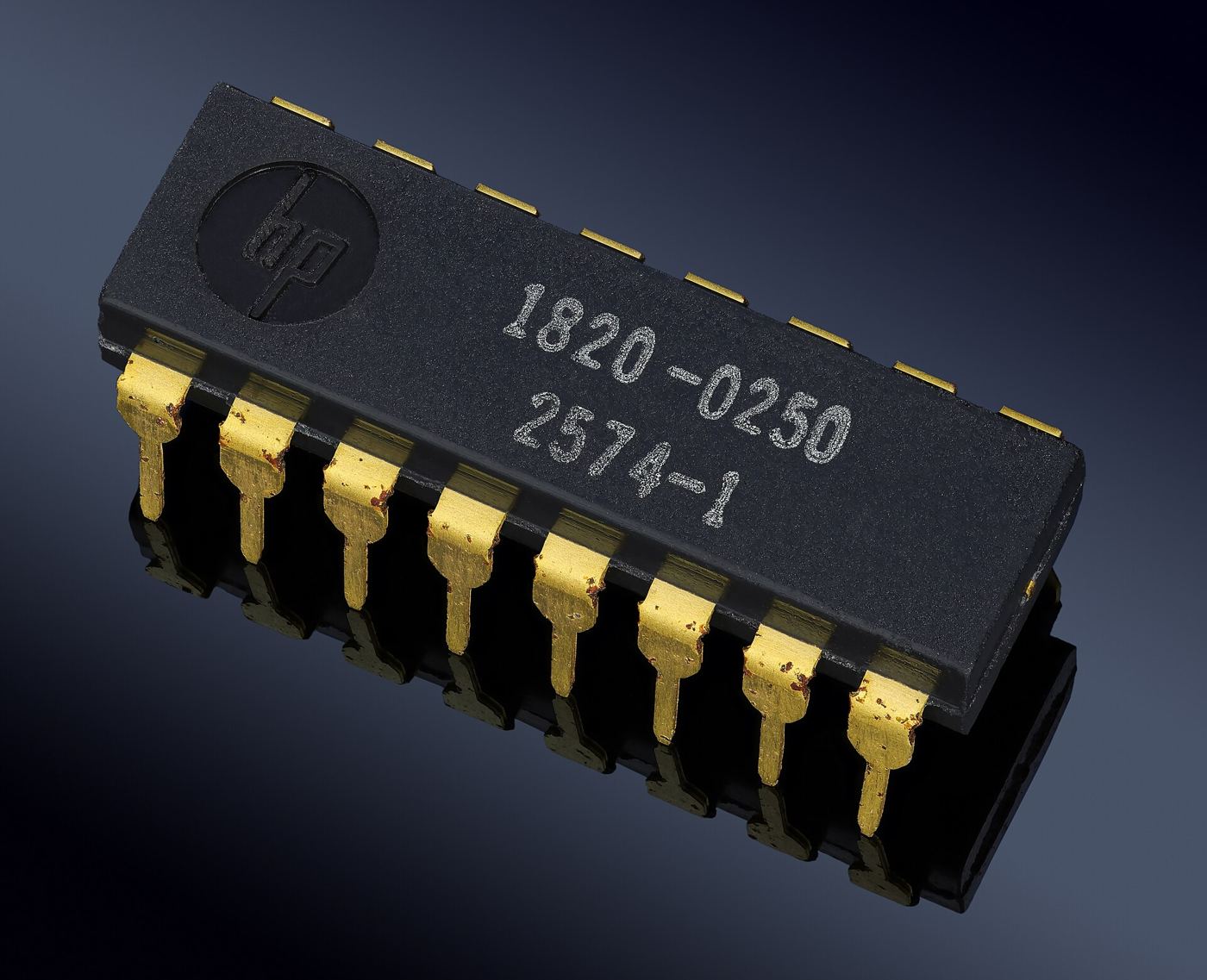
The most valuable hardware in technology is no longer the phone in your pocket but the processor in a distant data centre. Artificial intelligence models need enormous computing power to train and run, and the race to design, manufacture and secure advanced AI chips now shapes strategy for the world’s largest companies. Billions are flowing into fabrication plants, packaging facilities and the power infrastructure needed to keep racks of accelerators running around the clock.
Why One Component Became So Strategic
Training a frontier AI model can require tens of thousands of specialised processors working together for weeks. That demand turned a once-niche product into a strategic resource, with waiting lists, export controls and government subsidies attached. Reporting by Reuters Technology shows chip designers racing to improve memory bandwidth and energy efficiency, because raw speed alone is useless if a data centre cannot power or cool the machines.
Readers following our technology coverage will see the effects spreading outward: cloud providers compete to offer AI capacity, startups design chips for single tasks like image generation, and software teams rewrite code to squeeze more from each processor. Even electricity utilities have joined the story, as regions compete to host data centres that can consume as much power as a small city.
Competition Beyond the Market Leaders
Challengers are attacking from several directions. Some build custom silicon tuned for their own AI services, reducing dependence on outside suppliers. Others bet on open designs and advanced packaging that stacks memory directly onto processors. Analysts cited by Forbes Innovation expect no single winner: different chips will suit training, everyday inference and edge devices in cars, cameras and robots.
The race also carries risks. Concentrated supply chains remain vulnerable to disruption, huge capital spending could overshoot demand if AI adoption slows, and energy use is drawing scrutiny from regulators and communities. Still, the direction is clear. Computing power has become the foundation on which modern AI is built, and the companies and countries that secure it will help decide how quickly intelligent software reaches medicine, science, education and daily work.
Governments have entered the race with subsidies and export controls that treat advanced chips as strategic assets comparable to energy supplies. New fabrication plants are rising on several continents as countries try to reduce dependence on a small number of manufacturing hubs concentrated in East Asia. The projects take years and tens of billions to complete, and they compete for the same scarce pool of engineers, construction specialists and ultrapure materials. Whether this geographic diversification produces genuine resilience, or simply duplicates capacity at higher cost, will be one of the defining industrial questions of the decade ahead for policymakers everywhere.
For consumers, the chip race will mostly be invisible, showing up as faster assistants, better translation, sharper photo tools and new services that were previously too expensive to run. Behind each of those features sits a supply chain of rare expertise, from lithography engineers to packaging specialists. Understanding that hidden layer explains why a small square of silicon now commands boardroom attention once reserved for oil fields and shipping lanes.
