

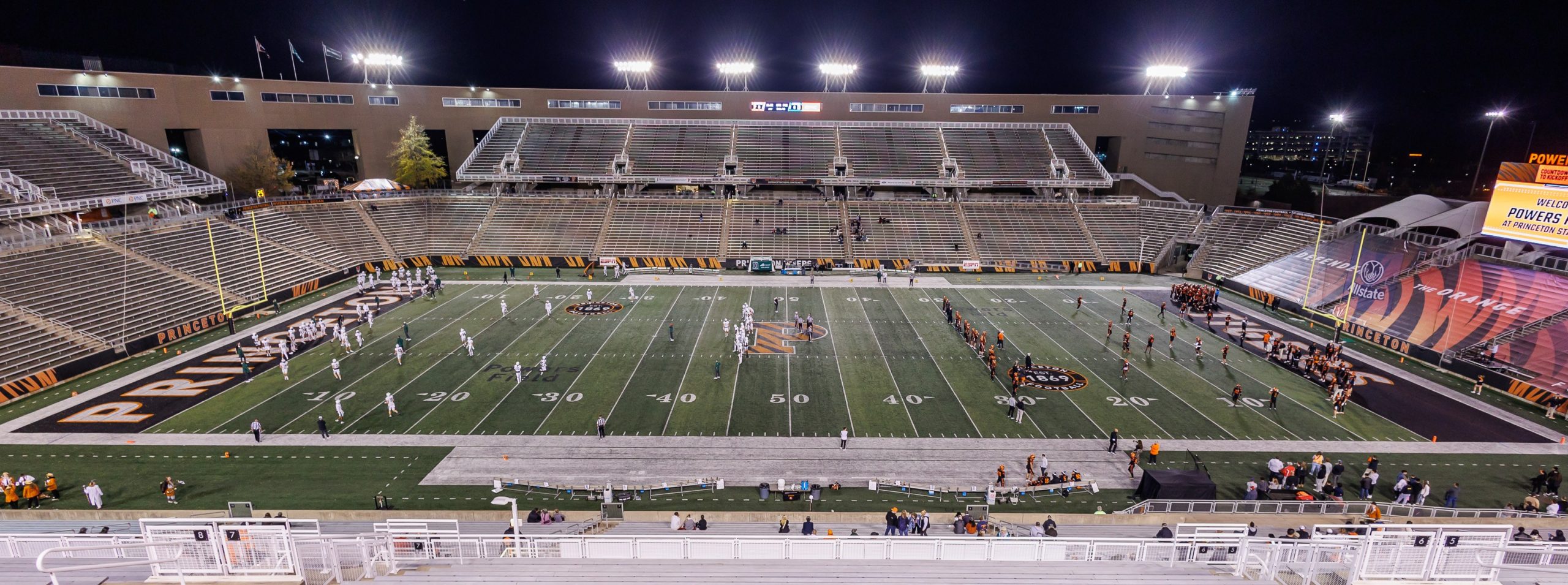
Primetime games are supposed to be entertainment. This week’s Monday Night Football is closer to a playoff eliminator. With the season past its midpoint and the standings compressed, both teams walk into the spotlight knowing that a win reshapes their January outlook while a loss leaves them needing help from everyone else. The full fixture details are listed on the ESPN NFL schedule, but the stakes need no embellishment.
Monday night games have a particular psychology. An extra day of preparation helps the better-coached team; a short week afterwards punishes the loser twice. For our ongoing NFL coverage, this is the fixture of the week — the one whose result will still be referenced when tiebreakers are tallied in December.
The Matchup That Decides It
Every big game reduces to one battle. Here, it is whether the visiting pass rush can disrupt a quarterback who has built his season on getting the ball out quickly. If the pressure arrives, the home offence becomes a checkdown exercise and the crowd goes quiet. If it does not, the secondary will be asked to cover for four, five, six seconds at a time — a task no unit survives for sixty minutes.
Watch the first two drives. They will tell you which version of this game you are getting: a shootout or a siege.
Injuries and the Hidden Depth Chart
By this point in the season, nobody is healthy; the question is who is less compromised. The official injury reports, published via NFL injury updates, show both teams managing problems at premium positions. Monday night rewards depth, because a starter lost in the second quarter hands the game to a backup who has had all week to prepare for exactly that scenario.
What a Win Is Worth
Beyond the standings point, a Monday night win is a statement broadcast to the entire league. It shifts power rankings, betting lines and — most importantly — the confidence inside the building. The loser, meanwhile, faces six days of questions before a short-week turnaround.
The Short Week Problem
There is a hidden tax on Monday night participants that rarely makes the preview shows: the week after. Teams returning from a Monday game lose a day of preparation and recovery, and the data across recent seasons shows a measurable dip in performance the following Sunday — particularly for the team that had to travel. Coaches manage it with lighter practices and walkthrough-heavy weeks, but the fatigue is real, and it compounds late in the season when rosters are already thinned by injury.
It is one more reason this fixture matters beyond the standings point. The winner does not just gain ground; it gains the psychological and physical momentum of a primetime statement followed by a manageable week. The loser absorbs a double blow — a defeat under the brightest lights of the regular season and a compressed runway into the next opponent. When January’s seeds are decided by a game here or a tiebreaker there, the Monday night tax has a way of appearing in the final accounting, long after the broadcast trucks have packed up and left.
The Broadcast Effect
There is also the matter of audience. Monday night remains the regular season’s biggest weekly stage, and players know the whole league is watching — future opponents, Pro Bowl voters and, not incidentally, the front offices who will decide their next contracts. Statement performances in this slot have a way of echoing into the offseason. For two teams whose seasons balance on this result, the game offers something no Sunday afternoon fixture can: the chance to change how the entire league talks about them in a single evening.
Expect a tight, physical game decided late. When the margins are this thin, the team that protects the football and wins the field-position battle usually walks away with the result that matters. Follow the fallout in our primetime coverage on Tuesday morning.
