

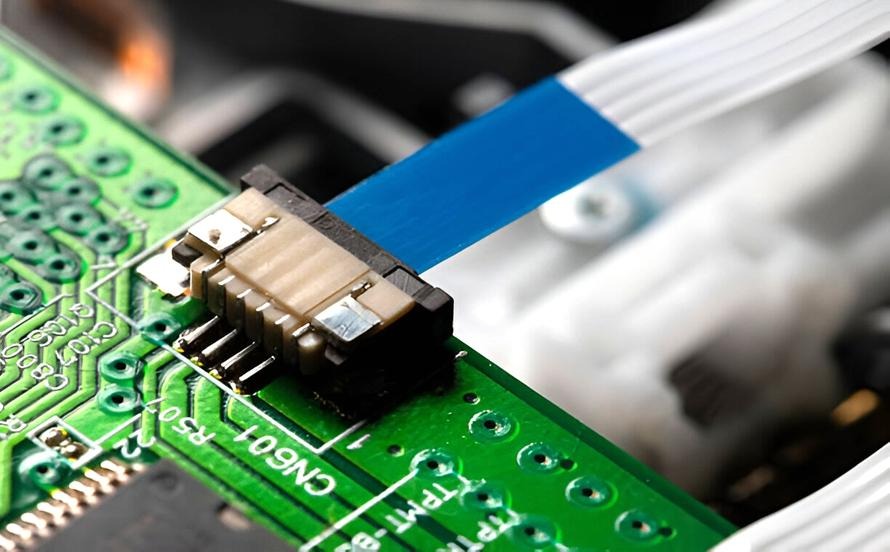
Printed circuit boards are the foundation of modern electronic devices, providing the electrical pathways that allow components to communicate and function together. Whether used in consumer electronics, industrial automation, automotive systems, medical devices, or aerospace equipment, the reliability of a PCB directly determines the performance of the finished product. However, one of the most common manufacturing and operational failures that can affect a circuit board is an Open Circuit Board defect.
An open circuit occurs when the intended electrical path is interrupted, preventing current from flowing through part of the circuit. Even a small break in a copper trace or an incomplete plated via can cause an entire electronic device to malfunction. Identifying and preventing open circuits is therefore one of the highest priorities during PCB design, fabrication, assembly, and testing.
Leading Top PCB Manufacturers invest heavily in advanced manufacturing technologies, automated inspection systems, and strict quality assurance procedures to minimize the occurrence of open circuits. Their expertise ensures that printed circuit boards meet demanding performance and reliability standards across a wide range of industries.
This article explores what an open circuit board is, its common causes, methods of detection, prevention strategies, and why working with experienced PCB manufacturers is essential for producing reliable electronic products.
What Is an Open Circuit Board?
An Open Circuit Board refers to a printed circuit board that contains one or more interrupted electrical connections. Instead of allowing electrical current to travel continuously through the designed circuit path, the connection is broken, preventing the circuit from functioning correctly.
Open circuits can occur anywhere within a PCB, including copper traces, plated through holes, solder joints, connectors, component leads, or internal multilayer connections. The location and severity of the interruption determine how the defect affects overall circuit performance.
Unlike a short circuit, where unintended electrical paths are created, an open circuit simply stops electrical flow along the intended route. As a result, components may fail to operate, communication signals may be interrupted, or the entire electronic system may become nonfunctional.
Because modern electronic products contain increasingly complex circuit layouts, identifying and eliminating open circuits has become a critical aspect of PCB manufacturing.
Common Causes of Open Circuit Boards
Several factors can contribute to an Open Circuit Board during manufacturing or product operation. One of the most common causes is incomplete copper etching or damaged copper traces during fabrication. If a conductive path is accidentally broken, electrical continuity is lost.
Poor drilling or plating quality may also create open circuits. In multilayer PCBs, plated vias establish electrical connections between different circuit layers. Insufficient copper plating inside these holes can interrupt current flow and produce unreliable electrical connections.
Assembly defects represent another possible cause. Improper soldering, cold solder joints, insufficient solder paste, or damaged component leads may prevent components from making reliable electrical contact with the PCB.
Mechanical stress can also create open circuits after manufacturing. Excessive vibration, repeated thermal expansion, bending, or physical impact may crack solder joints or copper traces, especially in harsh operating environments.
Environmental factors such as corrosion, moisture, oxidation, or contamination can gradually degrade conductive materials over time, eventually leading to electrical disconnections within the circuit.
How Open Circuit Boards Affect Electronic Performance
An Open Circuit Board can produce a wide range of performance problems depending on where the interruption occurs. In some cases, the device may fail to power on entirely because the primary power distribution network has been interrupted.
Signal interruptions within communication circuits can cause unstable operation, data transmission errors, or complete communication failure between electronic subsystems. Digital processors may become unresponsive if essential control signals cannot reach their intended destinations.
In power electronics, open circuits may disable voltage regulators, motor controllers, battery management systems, or switching circuits that depend on continuous electrical connectivity.
Intermittent open circuits are particularly difficult to diagnose because they may appear only under specific operating conditions such as vibration, temperature changes, or mechanical stress. These unpredictable failures can significantly reduce product reliability and customer satisfaction.
Preventing open circuits therefore remains essential for maintaining consistent long-term performance in every electronic application.
Detecting Open Circuit Board Defects
Accurate detection of an Open Circuit Board requires specialized inspection and testing methods throughout the manufacturing process. Electrical continuity testing is one of the most common techniques used to verify that every conductive path functions according to the PCB design.
Flying probe testing provides an efficient solution for prototype and low-volume production by automatically checking electrical connections without requiring dedicated fixtures. For high-volume manufacturing, bed-of-nails testing enables rapid verification of large quantities of boards.
Automated Optical Inspection systems examine copper traces, solder joints, and assembly quality to identify visible defects that could create open circuits. X-ray inspection is particularly valuable for evaluating hidden solder joints, Ball Grid Array packages, and internal multilayer interconnections that cannot be inspected visually.
Cross-sectional analysis may also be performed to examine plated vias, internal copper layers, and laminate quality when investigating complex manufacturing defects.
Together, these inspection methods help manufacturers identify open circuits before products reach customers.
Preventing Open Circuit Boards During Manufacturing
Preventing an Open Circuit Board begins during PCB design. Engineers carefully optimize trace widths, spacing, via placement, and copper distribution to improve manufacturability and long-term reliability.
During fabrication, precise imaging, controlled copper etching, accurate drilling, and high-quality plating processes ensure that conductive pathways remain continuous throughout the board structure.
Assembly quality also plays a major role in preventing open circuits. Accurate solder paste printing, controlled reflow soldering profiles, and automated component placement reduce the risk of defective solder joints that may interrupt electrical connections.
Proper material selection further improves reliability by minimizing thermal expansion differences between PCB materials and electronic components, reducing mechanical stress during operation.
Regular process monitoring, preventive equipment maintenance, and continuous quality improvement programs help manufacturers maintain consistent production quality across every manufacturing stage.
Why Top PCB Manufacturers Deliver Better Reliability
Choosing experienced Top PCB Manufacturers significantly reduces the risk of open circuit defects because they utilize advanced production technologies and comprehensive quality management systems. Their engineering teams review PCB designs before fabrication to identify potential manufacturing challenges that could affect electrical reliability.
Modern manufacturing facilities employ laser direct imaging, automated drilling systems, precision copper plating equipment, automated optical inspection, X-ray analysis, and computerized electrical testing to verify every stage of production.
Many leading manufacturers also perform Design for Manufacturability analysis, helping customers optimize PCB layouts before production begins. This collaborative approach minimizes manufacturing risks while improving product performance.
Comprehensive manufacturing services often include PCB fabrication, assembly, functional testing, reliability verification, and supply chain management, ensuring complete process control from prototype development through volume production.
Working with an experienced manufacturer helps businesses improve product quality while reducing manufacturing defects and long-term warranty costs.
Quality Assurance in PCB Manufacturing
Quality assurance is essential for preventing Open Circuit Board defects throughout the manufacturing process. Incoming materials are carefully inspected to verify laminate quality, copper foil thickness, and production specifications before fabrication begins.
Automated process monitoring maintains accurate imaging, drilling, plating, lamination, solder mask application, and surface finishing. Automated Optical Inspection continuously checks for missing copper, broken traces, and manufacturing irregularities that may create open circuits.
Electrical testing verifies circuit continuity, insulation resistance, and overall board functionality before shipment. Additional reliability evaluations may include thermal cycling, vibration testing, solderability verification, impedance testing, environmental stress testing, and cross-sectional analysis.
Leading manufacturers maintain internationally recognized certifications such as ISO 9001, IPC standards, UL certification, IATF 16949 for automotive electronics, ISO 13485 for medical devices, AS9100 for aerospace manufacturing, and RoHS compliance. These quality systems demonstrate their commitment to producing highly reliable printed circuit boards for demanding industries.
Conclusion
An Open Circuit Board is one of the most critical defects that can affect the performance and reliability of electronic products. Whether caused by fabrication errors, assembly defects, mechanical stress, or environmental conditions, interrupted electrical pathways can lead to system failures, costly repairs, and reduced customer confidence.
Leading Top PCB Manufacturers prevent these issues through advanced manufacturing technologies, rigorous quality assurance procedures, and comprehensive engineering support. By combining precise fabrication, automated inspection, electrical testing, and continuous process improvement, they deliver printed circuit boards that meet the demanding reliability requirements of industries including automotive, medical, telecommunications, industrial automation, aerospace, and consumer electronics. Choosing a trusted PCB manufacturing partner is one of the most effective ways to ensure long-term product performance and successful electronics production.
